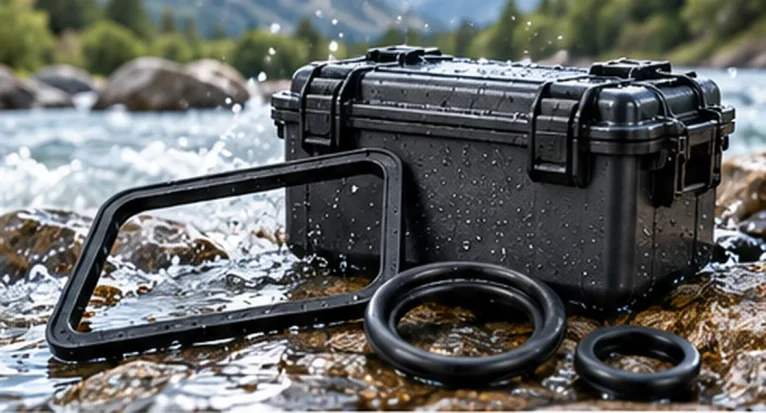
Liquid silicone rubber has become one of the most important materials in modern manufacturing because it combines flexibility, heat resistance, and long-term durability in a way that few polymers can match. As industries demand cleaner production, tighter tolerances, and more reliable performance, the need for high-precision silicone parts continues to grow. This is especially true in sectors such as healthcare, automotive, electronics, and consumer goods, where part failure can lead to costly product issues.
The LSR injection molding process is a highly efficient manufacturing method used to produce complex silicone components with consistent quality and minimal waste. In simple terms, it involves mixing two liquid silicone components, injecting the material into a heated mold, and curing it into a finished part. Because the process is highly automated and suitable for high-volume production, it has become a preferred solution for businesses looking for stable, repeatable results. For companies exploring silicone injection molding capabilities, LSR often provides the best balance of precision, speed, and material performance.
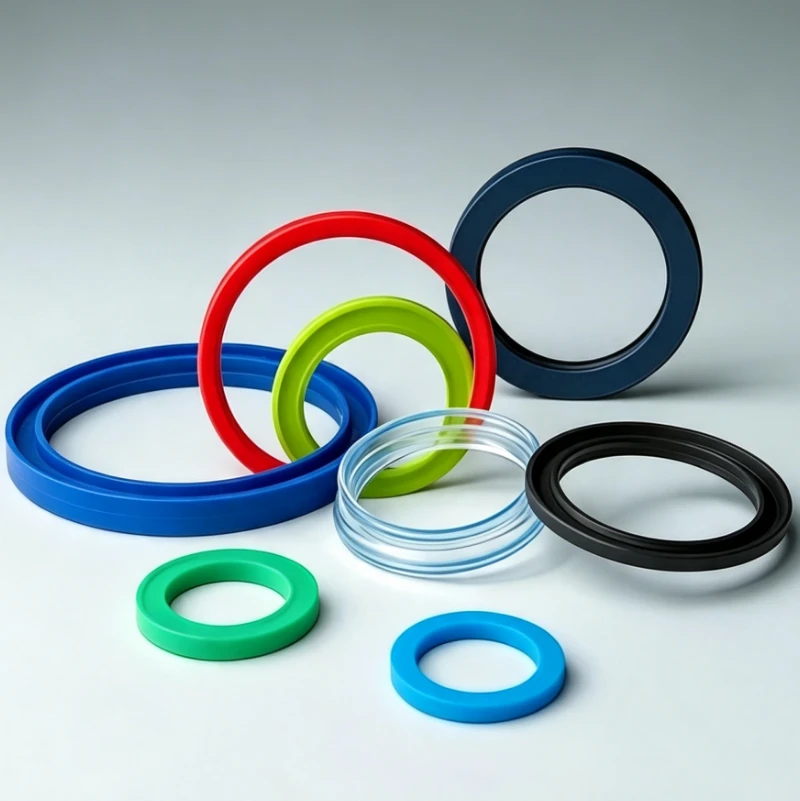
In the sections below, we will break down the process from material selection to finished parts, explain the equipment and design requirements, and show where LSR delivers the greatest value in B2B manufacturing.
What Is the LSR Injection Molding Process?
The LSR injection molding process is a molding method used to manufacture parts from liquid silicone rubber, a two-part platinum-cured elastomer that is pumped, mixed, and vulcanized inside a mold. It is especially valued for producing parts with excellent dimensional stability, high elasticity, and resistance to temperature, chemicals, and UV exposure.
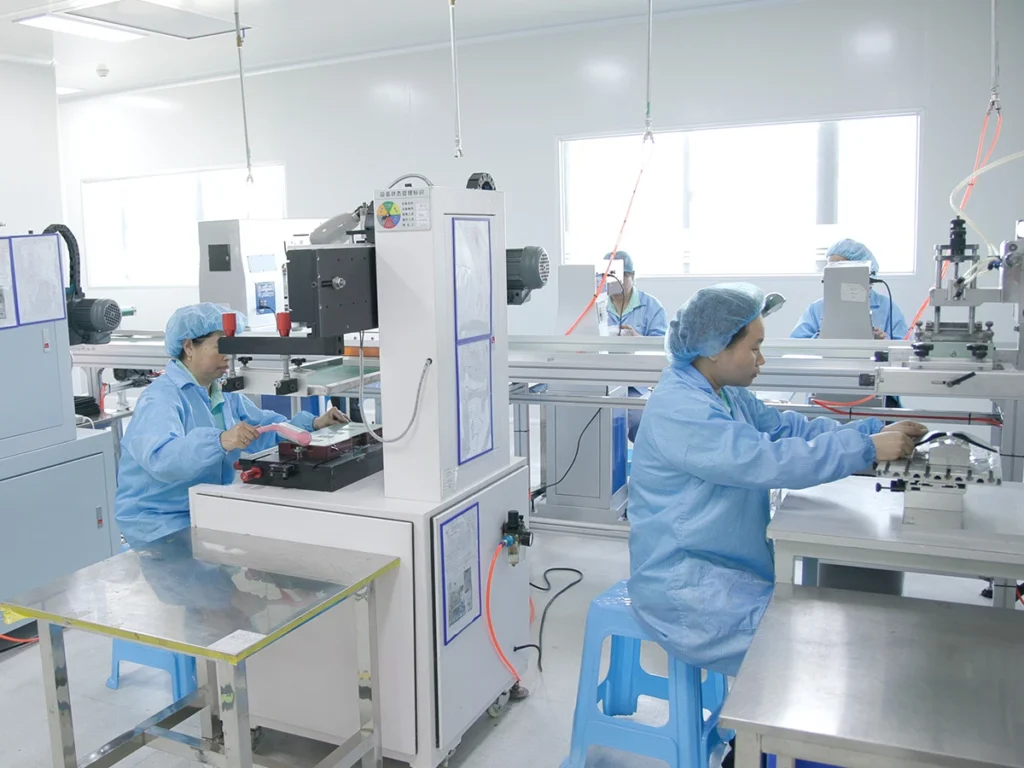
Unlike thermoplastic molding, which melts solid pellets and cools them into shape, LSR molding starts with two low-viscosity liquid components. These components are metered precisely, mixed in a controlled ratio, and injected into a heated mold where the silicone cures into a solid elastomer. Because the uncured material flows easily, it can fill thin walls, fine details, and complex geometries more effectively than many conventional materials.
Liquid silicone rubber basics
Liquid silicone rubber is a synthetic elastomer known for a wide operating temperature range, low compression set, and strong resistance to environmental stress. Its chemistry makes it suitable for parts that must remain stable under heat, moisture, or repeated mechanical loading.
Typical LSR properties include:
- Excellent thermal stability
- High electrical insulation
- Good transparency in certain grades
- Resistance to aging and weathering
- Biocompatibility in approved formulations
Why LSR is different from thermoplastic molding
The main difference is that LSR is thermosetting rather than thermoplastic. Once it is cured, it does not remelt. This gives the finished part greater heat resistance and elastic recovery. It also means the molding process relies on precise control of temperature, mixing, and curing time rather than melt cooling alone.
Common part characteristics achieved with LSR
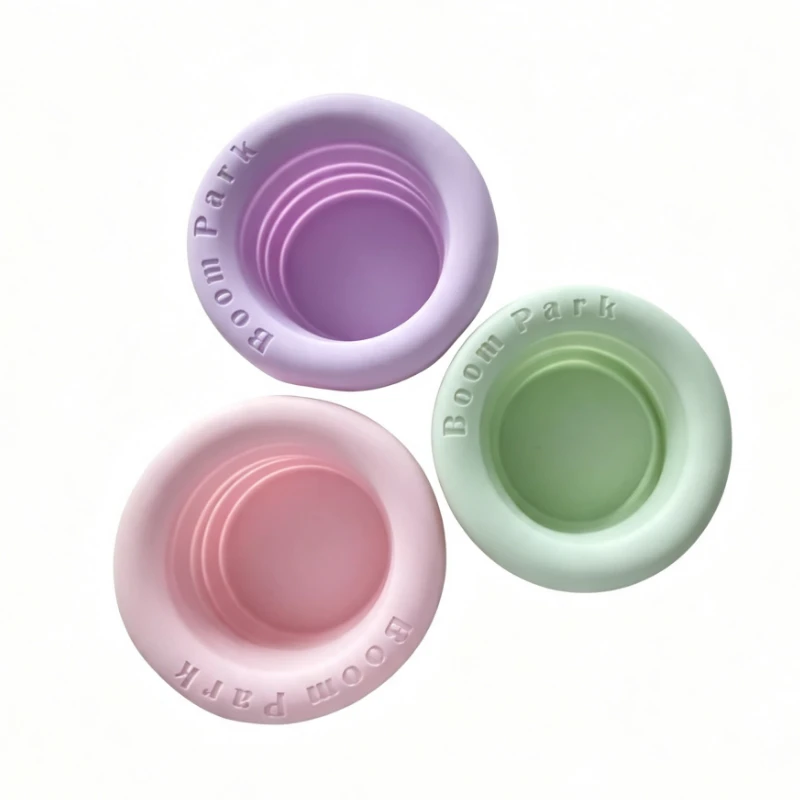
Manufacturers choose LSR when they need:
- Soft-touch surfaces
- Watertight or airtight seals
- Medical or skin-contact components
- Small, intricate parts with stable dimensions
- Durable parts that maintain flexibility over time
Why Manufacturers Choose LSR for Precision Parts
The main reason manufacturers choose LSR is that it combines performance, repeatability, and production efficiency. For parts that must perform under demanding conditions, LSR often outperforms other elastomers in both service life and process consistency.
Heat resistance, flexibility, and durability
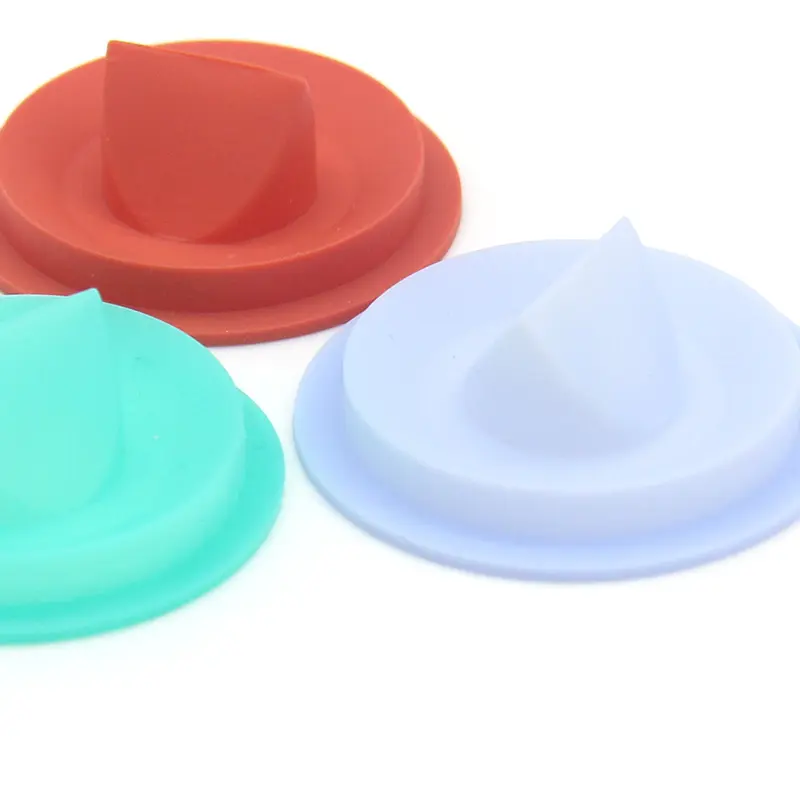
LSR parts can withstand high temperatures without losing elasticity. They also recover well after compression and repeated bending, which makes them ideal for seals, gaskets, buttons, and functional housings. In many applications, this durability reduces replacement cycles and supports lower lifecycle cost.
Biocompatibility and cleanliness advantages
Many LSR grades are suitable for medical, healthcare, and food-contact applications. Their low contamination risk and resistance to sterilization methods make them especially attractive when cleanliness is critical. According to the U.S. Food and Drug Administration, silicone materials are widely used in regulated applications because of their safety profile and stable performance in contact with the human body. You can learn more about material considerations through the FDA’s guidance on medical device materials.
High-volume consistency and low waste
Because the process is automated and highly repeatable, LSR injection molding is well suited to high-volume production. The cured material generates very little scrap, and cold-runner systems can further reduce waste. That makes the method attractive for B2B manufacturers focused on cost control and predictable output.
| Advantage | Business Value | Typical Use Case |
|---|---|---|
| High repeatability | Stable part quality across production runs | Medical components, seals |
| Low scrap rate | Reduced material waste | Large-scale manufacturing |
| Excellent elasticity | Better functional performance | Gaskets, membranes |
| Heat and chemical resistance | Longer product life | Automotive and industrial parts |
| Design flexibility | Complex geometry support | Custom molded components |
How the LSR Injection Molding Process Works
The process works by preparing two liquid silicone components, mixing them in exact proportions, injecting them into a heated mold, and curing the part until it becomes a stable elastomer. While the concept is straightforward, every stage must be controlled carefully to achieve consistent results.
Material preparation and metering
The process begins with the A-side and B-side silicone components. These are stored separately and fed through a metering system that controls ratio accuracy. Pigments, additives, or functional fillers may also be introduced depending on the application.
Precision is important here because even small ratio deviations can affect cure performance, flash formation, or final part quality.
Mixing, injection, and curing
After metering, the two components are mixed thoroughly and injected into a heated mold cavity. Inside the mold, the heat triggers vulcanization, transforming the liquid into a cured solid part. This curing stage is what distinguishes LSR from many other injection processes.
For projects that require tailored geometries or special part features, many businesses look for custom silicone parts that can be designed around specific dimensional and performance needs.
Demolding and post-processing
Once cured, the part is removed from the mold. Some components need minor trimming, surface inspection, or secondary processing such as bonding, printing, or assembly. In well-optimized production environments, demolding is highly automated to protect part quality and cycle time.
What Design Factors Affect LSR Molded Parts?
Design has a major influence on whether an LSR project succeeds. Because the material flows differently from thermoplastics and cures in a heated tool, part geometry, venting, and tooling strategy all matter.
Wall thickness and geometry
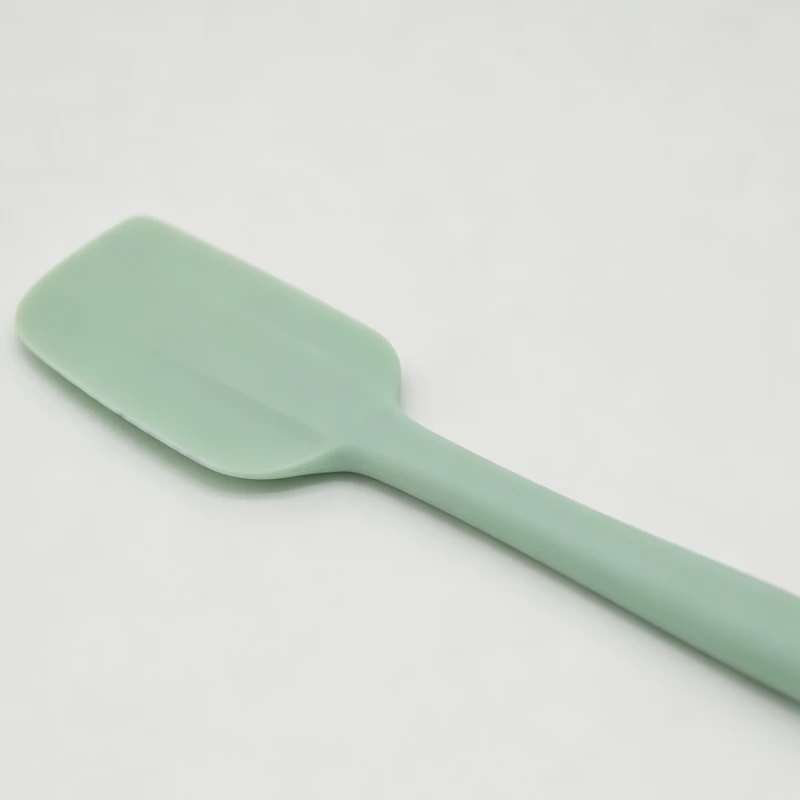
Uniform wall thickness is one of the most important design principles. Thin sections can improve cure efficiency and reduce cycle time, but overly thin areas may not fill completely if venting or injection placement is poor. Thick sections may cure more slowly and create uneven shrinkage.
Draft angles, venting, and undercuts
Draft angles help parts release cleanly from the mold. Venting prevents trapped air, which can cause voids or incomplete fill. Undercuts are possible in some designs, but they may require more complex tooling or automation to remove the part reliably.
Tolerances, flash control, and parting lines
LSR molding can achieve tight tolerances, but tolerances must be realistic for the material and part size. Flash control is another important issue because liquid silicone can flow into fine gaps if the tool is not machined and aligned properly.
| Design Factor | Why It Matters | Common Best Practice |
|---|---|---|
| Wall thickness | Affects fill and cure balance | Keep sections as uniform as possible |
| Draft angle | Supports easy ejection | Add draft where geometry allows |
| Venting | Prevents air entrapment | Place vents near fill-end areas |
| Parting line | Influences flash visibility | Position away from cosmetic surfaces |
| Tolerance | Impacts functional fit | Set realistic manufacturing limits |
What Equipment and Mold Features Are Required?
Successful LSR molding depends on specialized equipment that can handle low-viscosity silicone accurately and maintain tight thermal control throughout the cycle.
Injection unit and cold runner system
A proper LSR injection system must meter the two components precisely and maintain separation until the mixing stage. Many systems use a cold runner design to keep the material cool before it enters the heated cavity. This helps reduce waste and improve process stability.
Precision mold cavities and temperature control
The mold itself must be machined with high precision. Temperature control is especially important because curing speed is directly tied to mold heat. Uneven heating can lead to incomplete cure, variation in dimensions, or inconsistent surface quality.
Automation and part removal systems
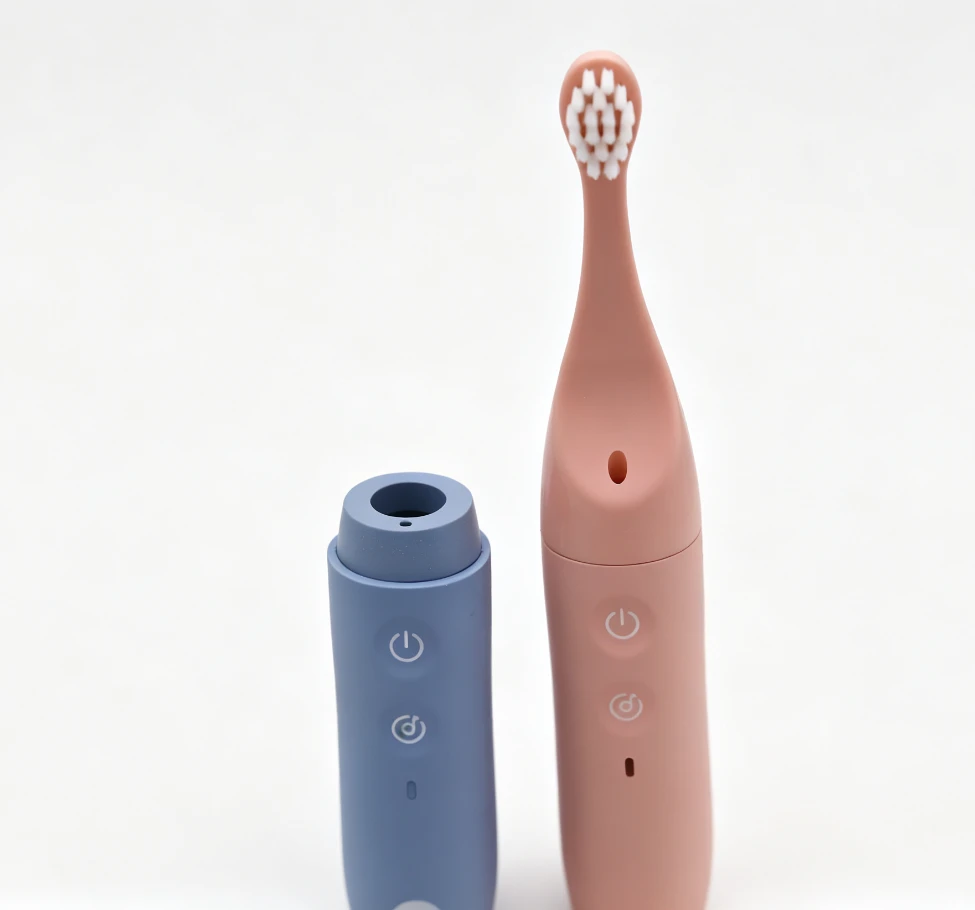
Automation can improve consistency, reduce handling damage, and lower labor cost. Robots, pick-and-place systems, and automated trimming stations are often used in high-volume manufacturing. For companies evaluating broader manufacturing support, it can be useful to review precision molding services that include design support, tooling, and production planning.
Where Is LSR Injection Molding Used?
LSR is used across a wide range of industries because it offers a rare mix of durability, cleanliness, and design flexibility. When a component must hold up under repeated use or demanding environmental conditions, LSR is often a strong fit.
Medical and healthcare applications
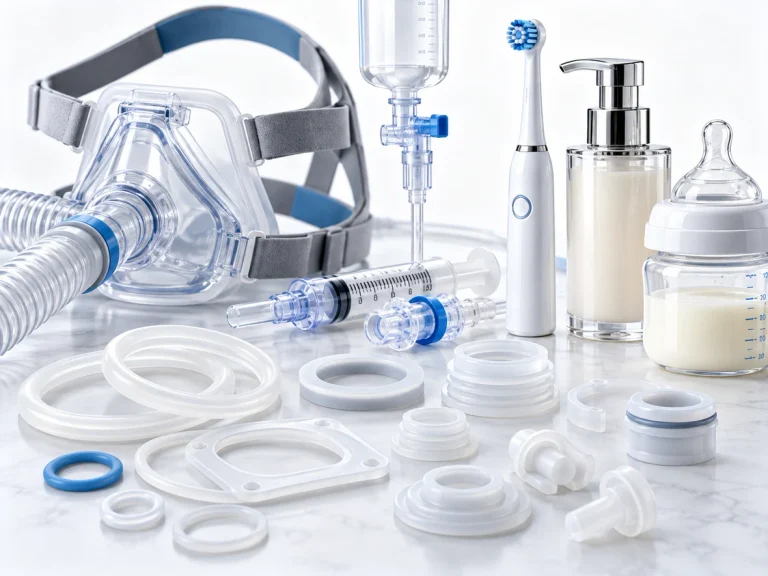
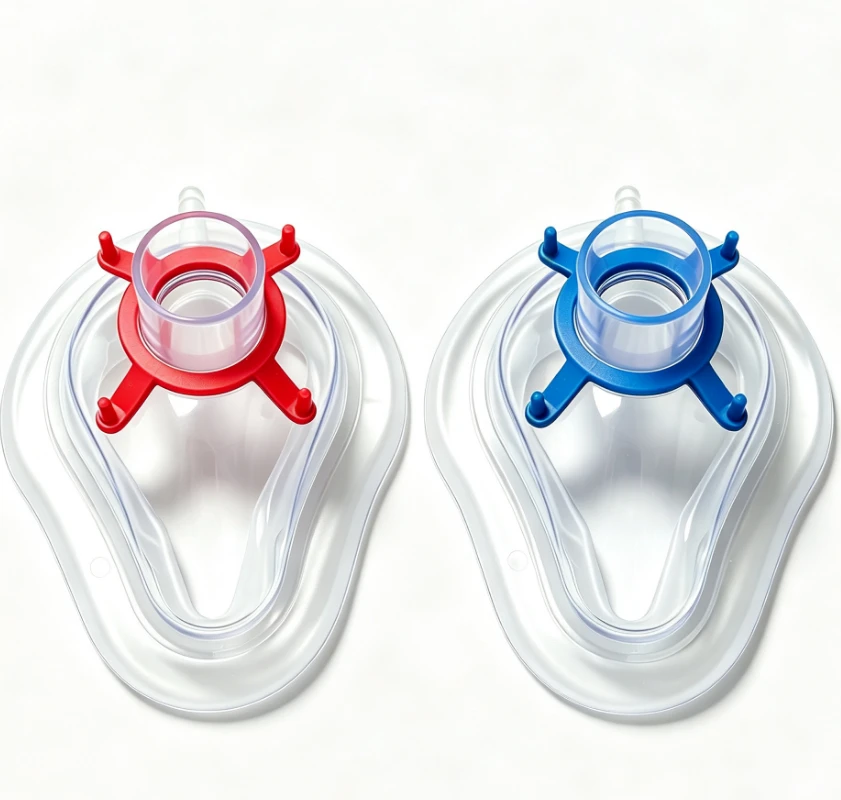
Silicone medical parts are among the most important uses for LSR. Common examples include seals, valve components, respiratory parts, wearable contact parts, and catheter-related components. Many of these products require biocompatibility, sterilization resistance, and stable performance over long periods. Businesses sourcing medical silicone components often prioritize clean-room production, traceability, and consistent material performance.
Automotive and transportation components
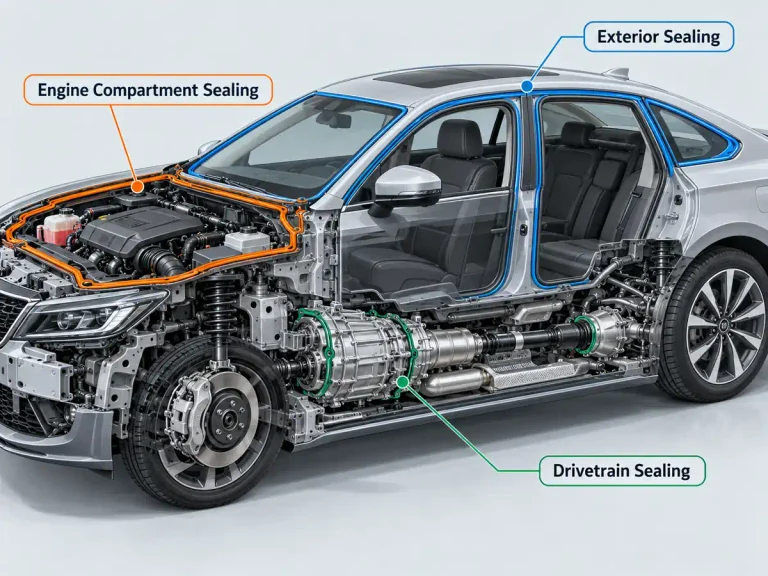
In automotive applications, LSR is often used for connectors, gaskets, sensor housings, vibration-damping parts, and sealing elements. Heat resistance and long-term elasticity make it useful in engine bays and exterior systems.
Consumer, electrical, and industrial parts
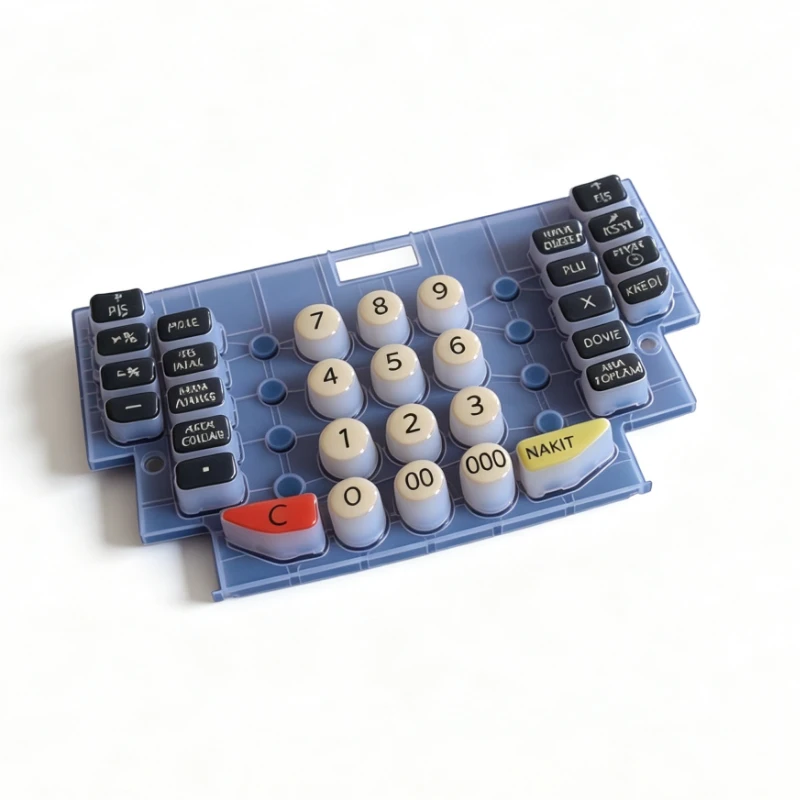
Consumer products such as keypads, buttons, and wearable accessories benefit from the soft-touch and durable nature of silicone. Electrical and industrial components may use LSR for insulation, sealing, and environmental protection. In many cases, manufacturers also request industrial silicone parts for equipment that must operate reliably in harsh environments.
How to Improve Quality in LSR Production
Quality in LSR production depends on controlling material behavior, tooling accuracy, and process stability. A good process is not only about making parts that look correct, but also about ensuring they perform reliably over time.
Common defects and their causes
Some of the most common issues in LSR molding include flash, short shots, bubbles, burn marks, and incomplete curing. These problems often come from poor venting, incorrect material ratio, temperature imbalance, or tooling wear.
| Defect | Typical Cause | Prevention Method |
|---|---|---|
| Flash | Excess gap or high injection pressure | Improve tool fit and process control |
| Short shot | Insufficient fill or trapped air | Optimize gating and venting |
| Bubbles | Air entrapment or poor mixing | Review degassing and flow path |
| Incomplete cure | Low mold temperature or ratio error | Maintain temperature and dosing accuracy |
| Surface blemish | Contamination or tooling defect | Clean tool and monitor mold condition |
Process monitoring and inspection methods
Production quality improves when teams use in-process monitoring and final inspection together. Common methods include dimensional measurement, visual inspection, leak testing, hardness testing, and material traceability checks. For regulated applications, documentation is just as important as the part itself.
Partnering with the right manufacturing capability
The best results usually come from working with a supplier that understands material selection, tooling design, process optimization, and quality systems as a single workflow. If your goal is to scale production or launch a new product line, a partner with strong injection molding services can help reduce development risk and shorten time to market.
How Does LSR Compare With Other Silicone Manufacturing Methods?
LSR injection molding is not the only way to produce silicone components, but it is often the best option when speed, repeatability, and geometry complexity are important.
| Method | Strengths | Limitations | Best Fit |
|---|---|---|---|
| LSR injection molding | High precision, high volume, low waste | Requires tooling investment | Complex production parts |
| Compression molding | Lower tooling complexity | Slower cycle time, less automation | Larger, simpler parts |
| Transfer molding | Good for certain inserts | More material waste | Specialized parts |
| Extrusion | Efficient for continuous profiles | Limited part geometry | Tubing, seals, strips |
For many B2B buyers, the decision comes down to volume, part complexity, and acceptable unit cost. If the project involves repeated production runs, tight tolerances, and consistent quality requirements, LSR injection molding often provides the strongest long-term value.
What Should Buyers Ask Before Starting an LSR Project?
Before launching production, buyers should evaluate design, material, tooling, and quality requirements carefully. The earlier these questions are addressed, the smoother the project will be.
A practical checklist includes:
- What performance conditions will the part face?
- Does the application require biocompatibility or regulatory compliance?
- Are there dimensional tolerances that affect function?
- Will the part need overmolding or secondary assembly?
- What annual volume is expected?
- What inspection and validation requirements apply?
Clear answers to these questions help manufacturers choose the right tooling strategy and process settings from the beginning.
Final Thoughts
The LSR injection molding process offers a powerful combination of precision, efficiency, and material performance. From raw silicone preparation to final part inspection, each stage contributes to the quality and consistency of the finished component. When properly designed and controlled, LSR can produce durable, flexible, and highly reliable parts for demanding industries.
For B2B buyers, the most important success factors are thoughtful part design, suitable tooling, stable process control, and a manufacturing partner that understands both the material and the production environment. Whether the goal is medical compliance, industrial durability, or custom product development, LSR remains one of the most effective routes to high-performance silicone parts.
FAQ
How long does the LSR injection molding process take?
Cycle time depends on part size, wall thickness, mold temperature, and material formulation. Small parts may cure in seconds, while larger or more complex parts may require longer cycles.
Can LSR parts be made with overmolding?
Yes. LSR is often used in overmolding applications, especially when combined with rigid substrates to improve sealing, grip, or functional integration.
What is the main advantage of LSR over traditional silicone molding?
The main advantage is higher automation potential and better repeatability. LSR injection molding is especially efficient for complex, high-volume production with consistent part quality.