Choosing the right LSR injection molding manufacturer is one of the most important decisions you can make when developing custom silicone parts. The supplier you select will affect not only the quality of your parts, but also your tooling timeline, production stability, cost structure, and ability to scale in the future. For buyers, engineers, and sourcing teams, the challenge is rarely finding a supplier. The real challenge is knowing how to choose the right one.
Many manufacturers can claim they support LSR molding, but not all of them have the same level of process knowledge, quality control, or project support. Some may offer attractive pricing but limited technical guidance. Others may have advanced equipment but weak communication or slow response times. The best supplier is usually not the cheapest one or the largest one. It is the one that can meet your part requirements, reduce project risk, and support long-term production.
This guide explains exactly how to evaluate and compare suppliers so you can make a smart, low-risk decision when sourcing custom LSR parts.
Why Choosing the Right LSR Injection Molding Manufacturer Matters
When you are sourcing custom parts, the manufacturer becomes part of your product development process. A good supplier helps you solve problems early. A poor one creates delays, defects, and extra cost.
Quality and Performance Risk
LSR parts often need to meet tight requirements for sealing, flexibility, biocompatibility, electrical insulation, or long-term durability. If a manufacturer does not understand these performance needs, the final parts may show flash, inconsistent curing, poor dimensional stability, or contamination. These issues can affect product safety and customer satisfaction.
In industries such as medical, automotive, electronics, and consumer products industries, even small defects can lead to major consequences. That is why quality control should be one of your first priorities when choosing a manufacturer.

Lead Time and Launch Risk
A supplier with poor project management can delay everything from mold design to sampling and mass production. This becomes especially damaging when your launch schedule is fixed or when you need prototypes quickly for customer testing or regulatory approval.
A reliable manufacturer should give you a realistic timeline, communicate clearly about each stage, and respond quickly when changes are needed. If they cannot do that in the early stages, production may become even more difficult later.
Total Cost and Scalability Risk
The lowest quote is not always the best value. A low-cost supplier may deliver inconsistent quality, high scrap rates, or repeated engineering changes. Those hidden costs can quickly exceed the savings from a cheaper per-piece price.
You should also think beyond the first order. Can the supplier support higher volumes later? Can they maintain the same quality as demand grows? A manufacturer that cannot scale may force you to restart the sourcing process later, which is expensive and time-consuming.
What Should You Evaluate First When Comparing Suppliers?
Before you examine technical details or request a quote, start with a few basic questions. These help you filter suppliers quickly and identify whether they are worth deeper review.
Do They Have Real LSR Experience?
Not all injection molders have equal experience with liquid silicone rubber. LSR molding is different from standard plastic injection molding because it requires special materials, process control, and mold design. A supplier may have general molding capability but still lack the specific knowledge needed for silicone.
Ask how long they have been working with LSR, what types of parts they have made, and which industries they serve. If possible, look for examples close to your own project in complexity, size, or end use.
Have They Made Silicone Parts Similar to Yours?
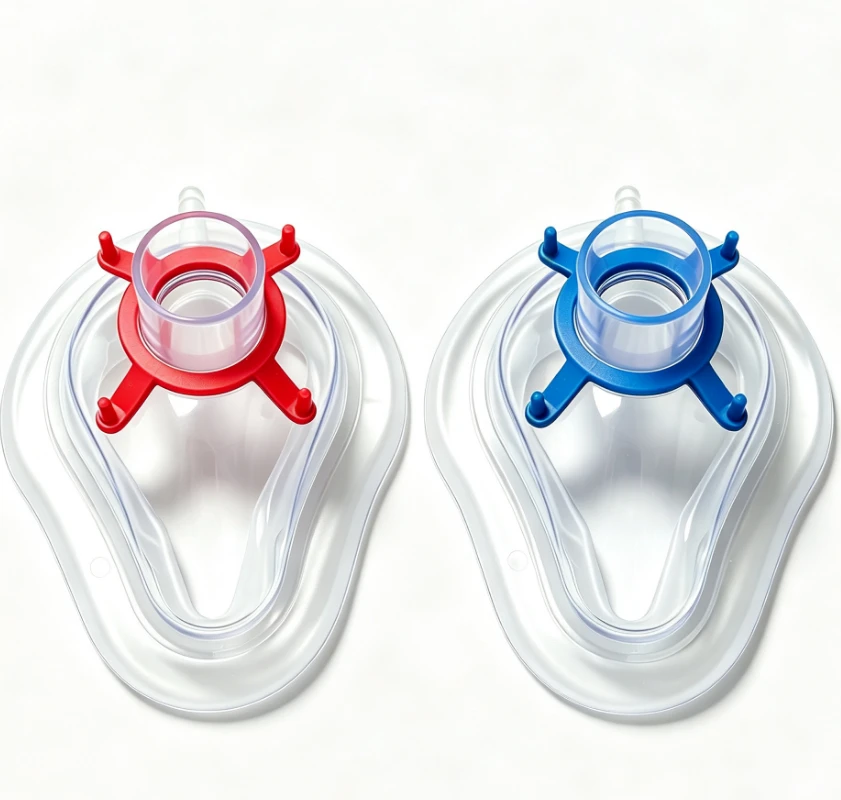
A LSR injection molding manufacturer that has already produced parts similar to yours will usually understand the likely challenges better. For example, a medical seal, a baby product, and an electrical connector may all be molded from LSR, but the requirements are very different.
Look for application fit, not just material fit. A supplier with experience in your industry may be more helpful than one with broad but shallow experience.
How Strong Is Their Communication?
Communication quality is often a good predictor of project success. When a supplier responds slowly, gives vague answers, or avoids technical detail, those habits often continue during development and production.
A good manufacturer should ask smart questions, provide clear feedback, and be easy to reach. If communication feels disorganized in the early stage, that is a sign to be cautious.
How Can You Judge Technical Capability?
Technical capability is one of the strongest indicators of whether a supplier can deliver stable LSR parts. This goes beyond having machines on the floor. It includes design support, tooling knowledge, process control, and the ability to solve problems quickly.
Do They Offer DFM Support?
Design for manufacturability, or DFM, is one of the most valuable services a manufacturer can provide. Before tooling begins, the supplier should review your design and identify potential issues related to wall thickness, gate location, part geometry, undercuts, sealing surfaces, venting, and demolding.
Good DFM support can reduce defects and shorten development time. For example, a slight geometry adjustment might improve mold filling or reduce flash risk. Without this kind of feedback, you may not discover problems until after tooling is complete, which is much more expensive to fix.
How Do They Handle Mold Design and Tooling?
LSR performance depends heavily on mold design. A well-designed mold supports clean filling, consistent curing, proper venting, and easy part release. Ask whether the manufacturer designs molds in-house or works with trusted tooling partners. In-house control is often helpful because it allows faster troubleshooting and better accountability.
You should also ask how they approach tool maintenance. Even a strong mold can produce poor results if the supplier does not maintain it properly over time.
What Is Their Process Control Like?
A capable manufacturer should have a repeatable process for setting up the machine, validating the part, and keeping production consistent. Ask how they control injection parameters, temperature, curing time, and material handling.
It is also useful to understand how they manage sampling. Do they provide initial samples, review results carefully, and adjust the process before moving to production? The better their process control, the lower your risk of unstable part quality.
How Do Quality Systems Affect Your Choice?
A supplier’s quality system tells you how seriously they manage risk. Good quality systems do not guarantee perfection, but they greatly improve the chance of stable, repeatable results.
What Certifications Do They Have?
Depending on your application, certifications may matter a great deal. ISO 9001 is a basic sign of quality management. ISO 13485 is often important for medical products. IATF 16949 may matter for automotive applications.
Certifications alone are not enough, but they do show whether the supplier has been audited against formal standards. More importantly, ask whether they actually use those systems in day-to-day operations or only mention them in marketing materials.
How Do They Inspect and Document Parts?
A strong manufacturer should have clear inspection procedures for incoming materials, in-process checks, and final product review. Ask what measurements they track, what equipment they use, and how they document results.
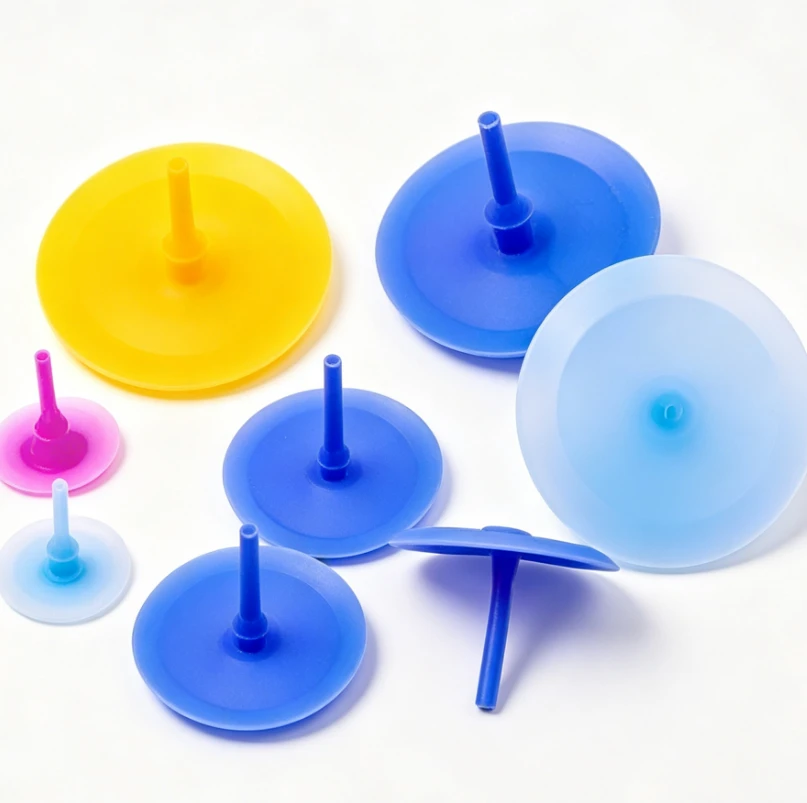
For custom parts, documentation is often just as important as the part itself. If a quality issue appears later, you want a supplier that can trace the lot, review the data, and help you identify the cause quickly.
Can They Support Validation and Traceability?
For regulated or safety-critical parts, validation and traceability are essential. Ask whether the manufacturer can support process validation, first article inspection, batch traceability, and production records.
If a supplier struggles to explain these systems clearly, that is a warning sign. It may mean they are not ready for higher-risk or more demanding applications.
How Should You Compare Pricing Without Focusing Only on Unit Cost?
Pricing is important, but it should be evaluated in context. The cheapest offer may look attractive at first, but it can become expensive if quality or service is weak.
What Does the Quoted Price Actually Include?
Always check what is included in the quote. Does it cover tooling, sampling, validation, packaging, freight, and inspection? Are there extra charges for engineering changes or special documentation?
Some suppliers quote a low part price but add costs elsewhere. Others may appear more expensive upfront but include more value in the overall package. That is why you should compare the full project cost, not only the per-unit price.
What Hidden Costs Might Appear Later?
Hidden costs can come from many sources: scrap, rework, late deliveries, extra testing, warranty returns, or retooling. If a supplier cannot produce stable parts consistently, you may end up paying more than you expected.
The true cost of a manufacturer includes both the visible quote and the risk of future problems. A slightly higher price from a reliable supplier is often better than a low price from a weak one.

Are You Choosing the Best Value or Just the Lowest Price?
The best supplier usually offers the best total value. That means the right combination of quality, responsiveness, technical support, and scalability. In many projects, this matters more than saving a small amount on each part.
If your project is high volume or high risk, the consequences of poor quality can be much greater than the savings from a cheaper quote.
What Red Flags Should You Watch for?
Knowing what to avoid can save you time and money. Some warning signs are obvious, while others become clear only after deeper discussion.
Vague or Incomplete Answers
If a manufacturer gives unclear responses about process control, quality checks, tooling, or lead times, be careful. Good suppliers can explain their methods clearly.
Unrealistic Promises
Be suspicious of claims that sound too good to be true. Extremely fast lead times, unusually low prices, or guaranteed perfection are often signs that the supplier is overselling its capabilities.
Poor Organization
Disorganized emails, missing documents, inconsistent quotes, or slow follow-up often indicate weak internal management. If these problems appear before the project starts, they may become worse during production.
What Questions Should You Ask Before Making a Final Decision?
A good shortlist should be based on direct questions, not assumptions. Use these questions to compare suppliers fairly.
Questions About Experience
- How long have you been producing LSR parts?
- What industries do you serve?
- Have you made parts similar to ours before?
Questions About Technical Support
- Do you provide DFM review before tooling?
- How do you approach mold design and venting?
- How do you control process stability during production?
Questions About Quality
- What certifications do you hold?
- How do you inspect parts during production?
- Can you provide traceability and inspection reports?
Questions About Capacity and Delivery
- What is your usual lead time for tooling and sampling?
- How do you handle urgent changes?
- Can you support increased volume later?
The answers to these questions will tell you a lot about how the supplier works in real life.
What Is the Best Framework for Shortlisting Manufacturers?
Once you have gathered information, use a simple and structured method to choose.
Create a Comparison Matrix
Make a table with categories such as technical capability, quality system, communication, price, lead time, and scalability. Rate each supplier in each area. This makes strengths and weaknesses easier to compare.
Request Samples or Case Studies
If possible, ask for samples, production examples, or case studies. Real evidence is far more useful than marketing claims. A supplier that has successfully handled similar projects should be able to prove it.
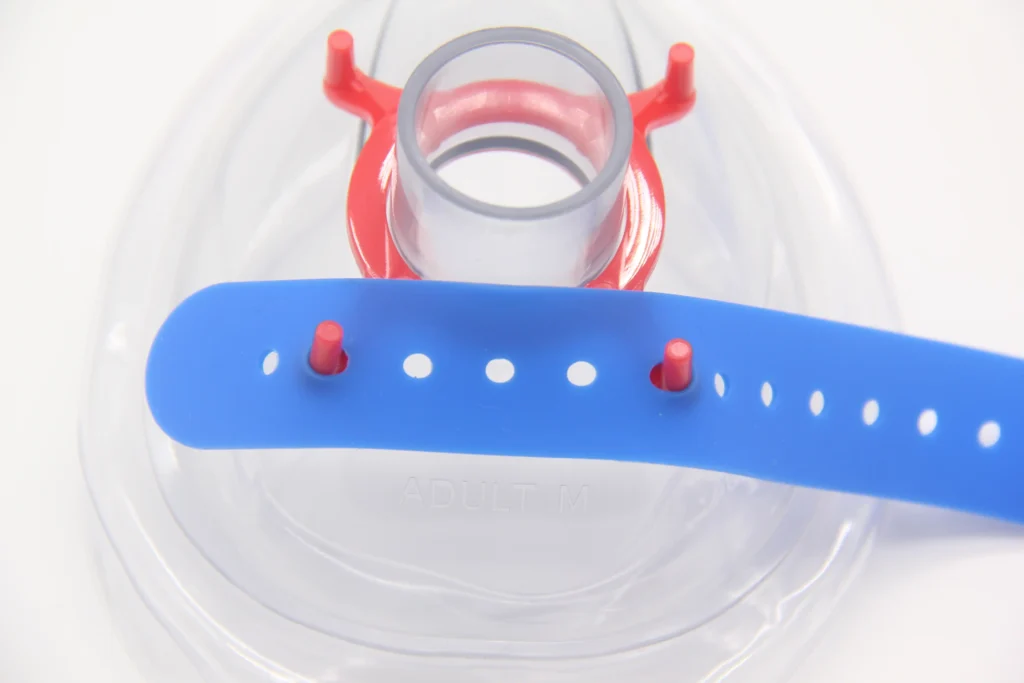
Focus on Risk Reduction
The best choice is the manufacturer that reduces risk the most. That means fewer quality issues, better support, smoother communication, and stronger long-term reliability. This approach is especially useful when your part is complex or your project timeline is tight.
How to Make the Final Decision
At the final stage, do not rely on one factor alone. A supplier may have great prices but poor communication. Another may have excellent technical capability but weak quality systems. Your goal is to find the best overall fit.
Think about the full project life cycle:
- Can this supplier support the design stage?
- Can they produce stable samples?
- Can they maintain quality in mass production?
- Can they scale with your business later?
If the answer is yes across most of these areas, the supplier is likely a strong choice. If the answer is uncertain in several areas, continue looking.
Conclusion
Choosing the right LSR injection molding manufacturer for custom parts is not just a sourcing task. It is a strategic decision that affects quality, cost, timeline, and long-term product success. The best supplier is not necessarily the cheapest or the biggest. It is the one that understands your application, supports your design, controls quality well, and communicates clearly throughout the project.
If you want to make the right choice, start by reviewing experience, technical capability, quality systems, pricing structure, and responsiveness. Then use a comparison matrix and ask detailed questions before making your final decision. With the right selection process, you can reduce risk and build a stronger production program from the start.
FAQ
What is the most important factor when choosing an LSR injection molding manufacturer?
The most important factor is overall fit, including technical capability, quality control, communication, and ability to support your application.
Why is DFM support important for custom LSR parts?
DFM helps identify design issues early and improves manufacturability, which can reduce defects and lower development costs.
Should I choose the lowest-priced supplier?
Not always. The lowest price can hide future costs such as delays, quality problems, or rework. Total value is usually a better decision criterion.
.webp)