Custom silicone components are increasingly in demand in medical, automotive and consumer electronics industries that require products to operate in extreme temperatures, resist chemical exposure or meet stringent biocompatibility standards. As product designs become more specialized, engineering teams often face a common challenge: determining which silicone formulation, tolerance class and mold design approach will actually meet their functional requirements without inflating cost or lead time.
There are three interrelated decisions that go into producing reliable custom LSR injection molded parts: choosing a silicone material grade that’s appropriate for the part’s performance environment, defining tolerance requirements that meet the application’s precision needs, and designing the part geometry in a way that supports efficient, repeatable manufacturing. Designing these three elements early in the design process allows custom silicone parts to make their way thru prototyping and production with significantly fewer costly revisions.
The sections below breakdown each of these considerations and how they are relevant across the industries that utilize custom silicone components the most.
Understanding LSR Material Properties for Custom Molded Parts
Liquid silicone rubber is available in a wide range of formulations, each engineered to deliver a specific balance of flexibility, durability, and resistance to environmental stress. Selecting the right grade for a custom part starts with understanding how durometer, additive packages, and cure chemistry interact with the part’s intended use.
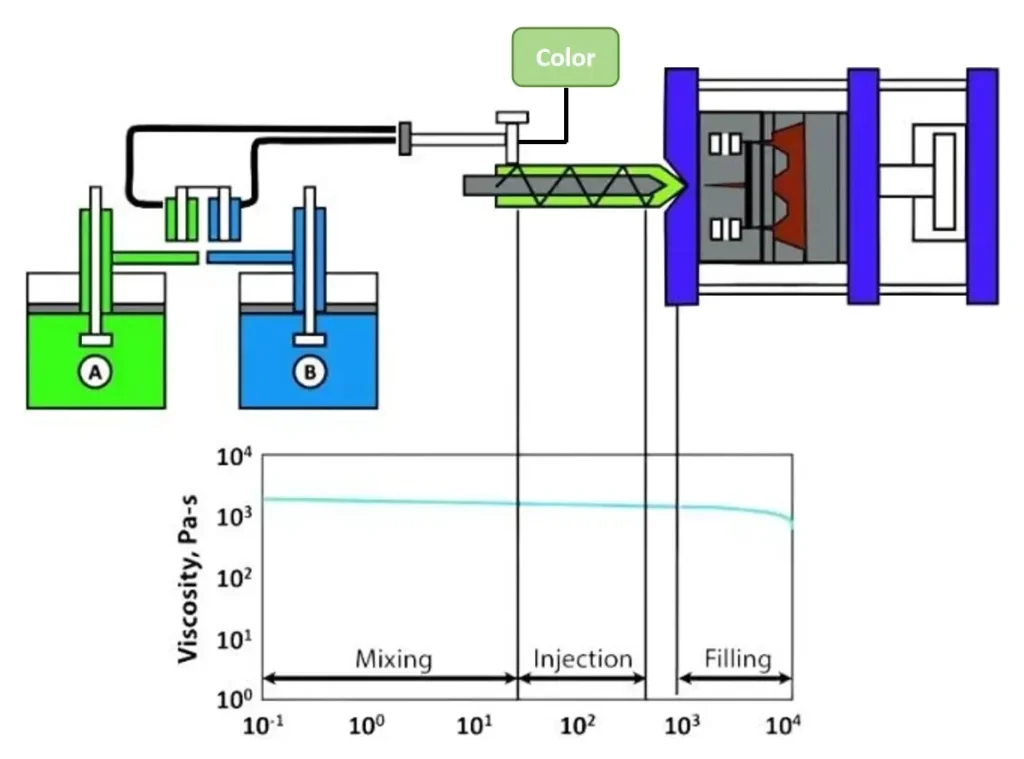
Because LSR injection molded parts process a two-part liquid silicone that cures through platinum catalysis rather than sulfur vulcanization, the resulting parts offer excellent thermal stability, low compression set, and inherent resistance to UV degradation compared to many conventional rubber alternatives. These properties make LSR a preferred choice for parts that must maintain consistent performance across repeated flex cycles or prolonged exposure to heat.
Durometer and Hardness Selection
Durometer, measured on the Shore A scale, determines how rigid or pliable a finished silicone part will feel and perform. Custom LSR parts are commonly specified anywhere from 10 Shore A for extremely soft, gel-like applications up to 80 Shore A for firmer components that need to hold their shape under mechanical load. Selecting the correct durometer involves balancing several considerations:
- Sealing applications generally favor softer durometers between 30 and 50 Shore A, allowing the part to conform to mating surfaces under moderate compression
- Structural or load-bearing components typically require 60 Shore A or higher to resist deformation
- Wearable or skin-contact parts often sit in the 20 to 40 Shore A range for comfort without sacrificing durability
Durometer selection also affects mold design, since softer materials demand more attention to ejection geometry to avoid tearing thin-walled features during demolding.
Additives for Enhanced Performance
Specialty additive packages can be used to tailor LSR formulations for specific functional requirements beyond base durometer. Common enhancements are flame retardant additives for electronic enclosures, platinum cured biocompatible grades certified to ISO 10993 for parts requiring Silicone medical part certification, and conductive fillers for parts that must dissipate static charge in sensitive electronic assemblies. Color pigment can be added directly into the LSR compound in the mixing stage, eliminating post-processing steps such as coating or painting which would increase cost and cycle times.
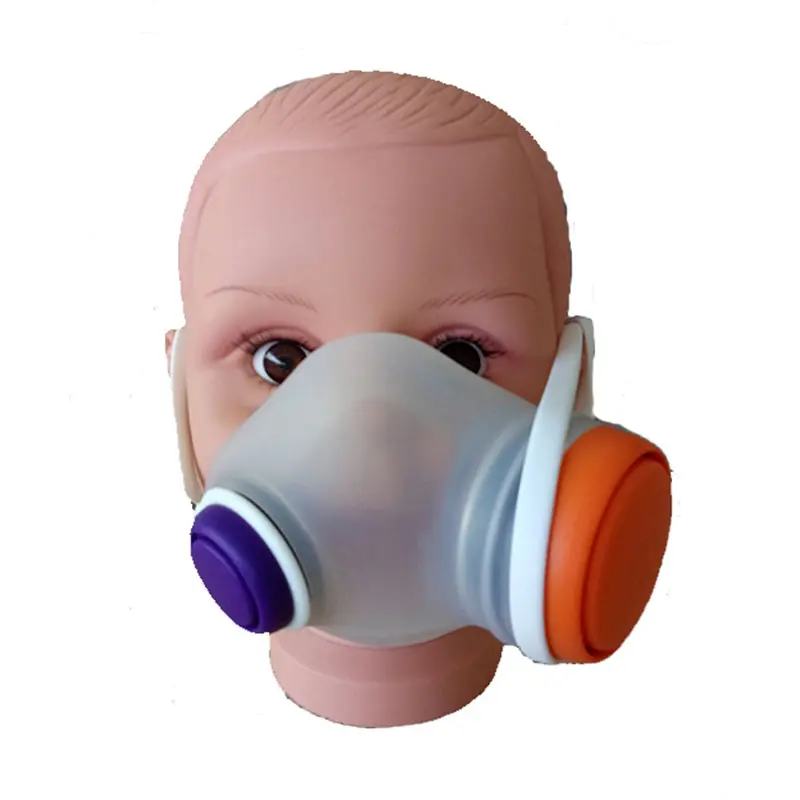
Other specialty formulations target more niche performance requirements. Self-lubricating additives reduce surface friction on moving or actuated parts that are subject to repeated motion, and are especially useful for automotive seals that are constantly being articulated. Consistency of light transmission is a key factor in lighting components and lens applications. As such, optically clear LSR grades that do not yellow with time, a problem with many standard formulations, are being selected more frequently. Selecting the wrong additive package early in development can be costly to requalify a part later on. A change in material formulations after the tooling is completed may result in the need to re-validate shrinkage rates and cure profiles.
Tolerance Standards and Dimensional Control in LSR Parts
Dimensional accuracy in custom LSR parts is governed by a combination of industry tolerance standards, part geometry, and the inherent shrinkage behavior of the silicone material during cure. Getting tolerance specifications right from the outset prevents costly mold rework after initial sampling.
The industry most commonly references tolerance classifications published under ISO 3302-1, which establishes standard and precision tolerance grades for rubber and silicone molded products based on part dimension and complexity.
Common Tolerance Classifications
| Tolerance Class | Typical Dimensional Variance | Common Applications |
|---|---|---|
| M1 (High Precision) | ±0.025 mm to ±0.05 mm | Medical devices, drug delivery components, micro-fluidics |
| M2 (Precision) | ±0.05 mm to ±0.10 mm | Automotive seals, connector gaskets, sensor housings |
| M3 (Commercial) | ±0.10 mm to ±0.25 mm | Consumer electronics keypads, general industrial seals |
| M4 (Standard) | ±0.25 mm to ±0.50 mm | Non-critical decorative or low-stress components |
Selecting a tolerance class tighter than the application actually requires drives up tooling cost and cycle time without a corresponding functional benefit, so tolerance requirements should be defined based on the part’s actual fit and performance criteria rather than defaulting to the tightest available classification.
Factors That Affect Dimensional Accuracy
There are a number of variables that influence how close the finished part will be to the designed dimensions. Shrinkage rates of LSR are usually in the 2 to 3 percent range depending on formulation. This shrinkage must be accounted for in the original cavity design and not corrected after the fact. Uniform wall thickness is also important, as sections of different wall thickness cure at different rates and can cause warping or dimensional drift on cooling. The consistency of the mold temperature across all cavities in a multi-cavity tool also affects part-to-part repeatability, so thermal management is as much a tolerance factor as the mechanical precision of the mold.
Post-cure processing can also affect the final dimensions to some degree, especially for parts intended for medical or food-contact applications, where a secondary bake cycle is used to drive off residual volatiles. When specifying tight tolerance classes, engineers should check that post-cure shrinkage has been factored into the tolerance budget, since a part measured right after molding may be slightly different from the final dimension after post-cure. Working with a mold designer who confirms the tolerance targets with a first-article inspection, rather than relying solely on simulation data, is a more reliable basis for production sign-off.
Design Considerations for Manufacturability
A part that is technically moldable is not always a part that can be produced efficiently at scale. Design decisions made early in development have an outsized impact on cycle time, scrap rate, and overall production cost once the part moves into volume manufacturing.
Reviewing part geometry against manufacturability guidelines before finalizing a design typically catches issues that would otherwise surface only after tooling has already been cut, saving both time and rework expense.
Wall Thickness and Undercut Guidelines
Uniform wall thickness is one of the most important design principles for LSR parts, since inconsistent sections lead to uneven cure rates and increase the likelihood of sink marks or internal voids. As a general guideline, wall thickness variation across a single part should be kept within a 3:1 ratio between the thickest and thinnest sections. Undercuts, while achievable in silicone molding due to the material’s inherent flexibility, still require careful evaluation:
- Shallow undercuts under 10 percent of the part’s diameter can often be stripped from the mold without additional tooling features
- Deeper or more complex undercuts typically require side-action cores or collapsible cores, adding cost and cycle time
- Sharp internal corners near undercut areas should be radiused to reduce stress concentration during demolding
Draft angles, while less critical for silicone than for rigid thermoplastics due to the material’s natural flexibility, still benefit part release consistency. A slight draft of 0.5 to 1 degree on tall vertical features reduces the ejection force required and lowers the risk of tearing thin sections during high-volume production, even though silicone parts can technically be pulled from a mold with zero draft in many cases.
Overmolding and Multi-Material Considerations
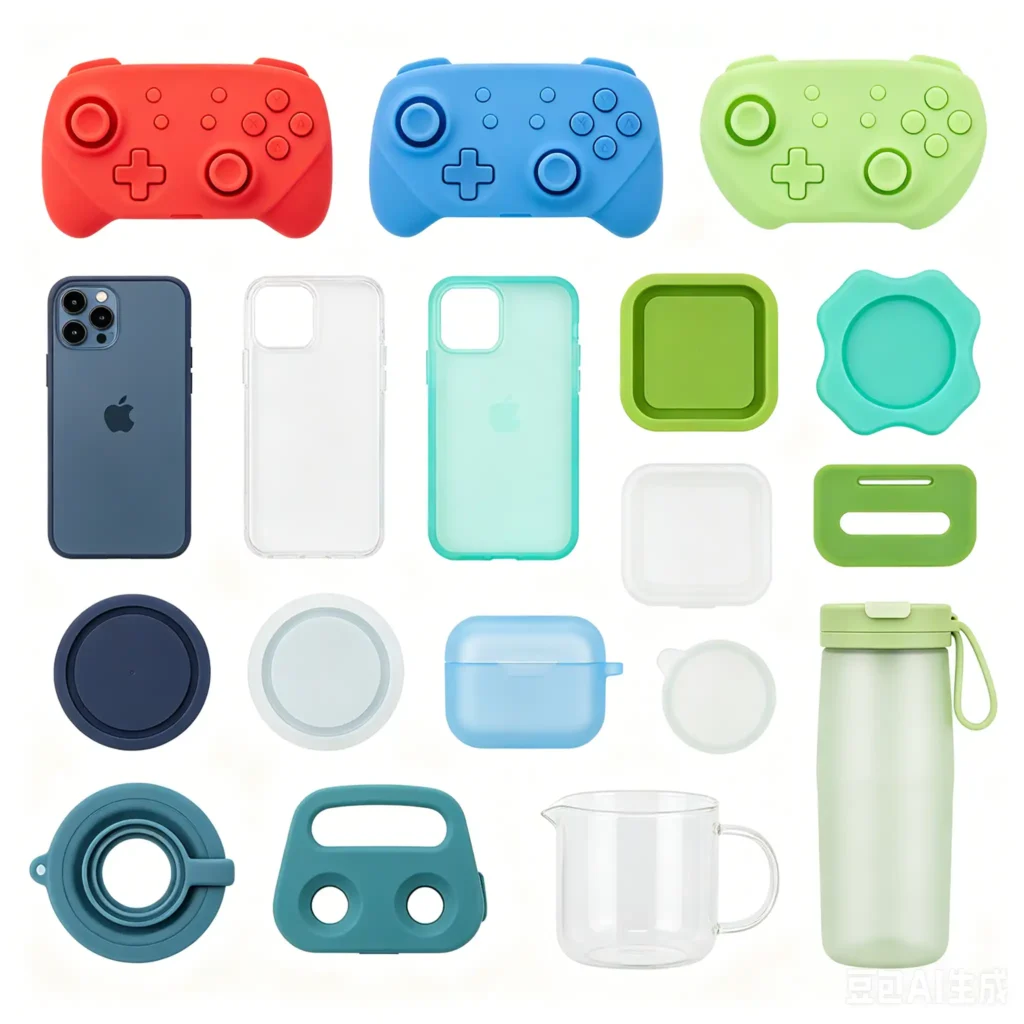
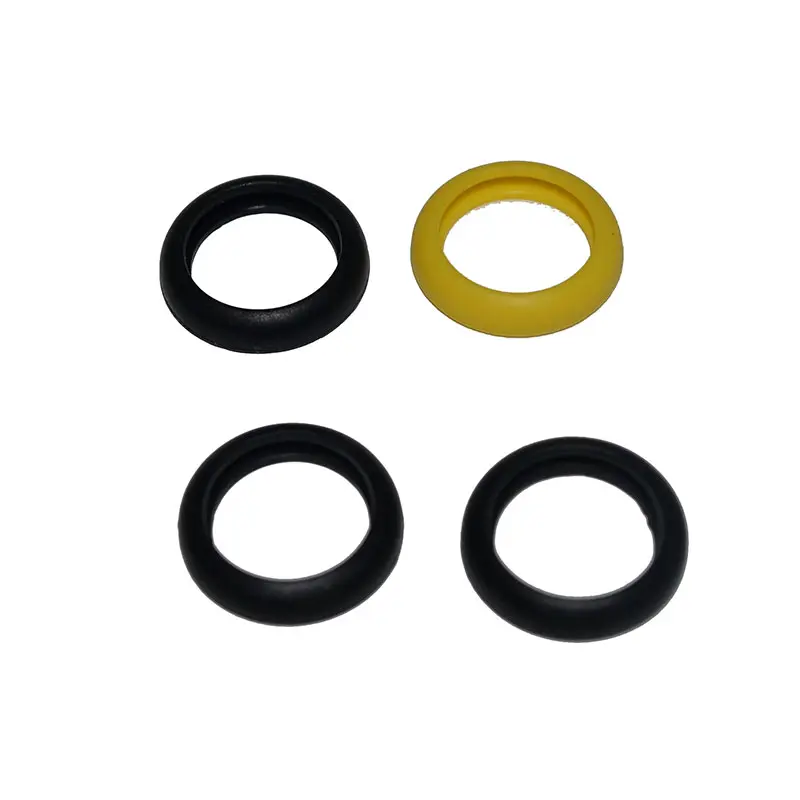
Many custom applications call for LSR to be overmolded onto a rigid substrate, such as a thermoplastic housing or a metal insert, to combine structural rigidity with a soft-touch or sealing surface. Successful overmolding depends on substrate material compatibility, since not all thermoplastics bond reliably with silicone without a primer or specialized surface treatment. Components such as a custom Silicone Seal bonded to a plastic housing frequently rely on this overmolding approach to eliminate assembly steps and reduce the risk of leak paths that a separately molded seal might introduce during installation.
Industry Applications of Custom LSR Molded Parts
The versatility of liquid silicone rubber has driven adoption across a wide range of industries, each with distinct performance and regulatory requirements that shape how custom parts are designed and validated.
Medical and Healthcare Applications
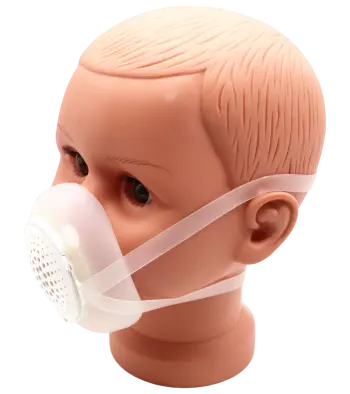
Within the Medical Industry, LSR is widely used for components including seals, valves, respiratory masks, and wearable device interfaces, largely because of its biocompatibility, resistance to repeated sterilization cycles, and ability to be molded to the tight tolerances required for drug-delivery and diagnostic devices. Regulatory frameworks such as ISO 10993 and USP Class VI compliance are often non-negotiable requirements for parts intended for prolonged patient contact, making material traceability and documentation a critical part of the sourcing process.
Cleanroom molding capability is another consideration that frequently separates suitable manufacturing partners from those unequipped for medical work. Parts destined for implantable or invasive applications typically require production in a controlled environment classified under ISO 14644, along with documented handling procedures that prevent particulate contamination between molding and final packaging. Manufacturers pursuing FDA clearance or CE marking for a medical device should confirm their molding partner can supply the material certifications and process validation records that regulatory submissions require, since gaps in this documentation are a common source of delay during the approval process.
Automotive and Consumer Electronics Applications
Automotive applications lean heavily on LSR’s thermal stability and resistance to engine compartment chemicals, using it for connector seals, gaskets, and vibration-dampening components that must perform reliably across a wide temperature range, often from negative 40 degrees Celsius up to 200 degrees Celsius depending on formulation. This broad operating window makes LSR well suited to under-hood applications where thermoplastic elastomers might soften or degrade over the vehicle’s service life.
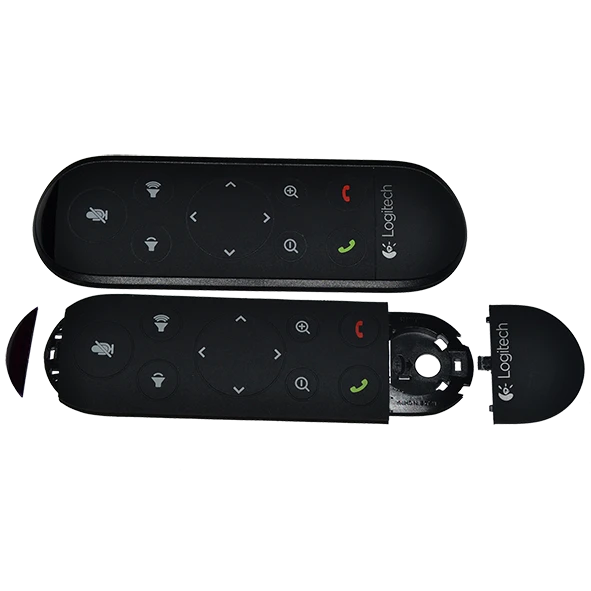
In consumer electronics, LSR’s soft-touch feel and durability make it a common choice for keypads, buttons, and protective gaskets that shield sensitive internal components from dust and moisture ingress. Many devices requiring an IP-rated enclosure rely on precisely molded silicone gaskets to achieve their sealing rating, since the material’s compression set resistance allows it to maintain a reliable seal across thousands of open-close cycles without losing its sealing force, a property that matters particularly for handheld devices exposed to repeated environmental stress in the field.
Baby and Consumer Products Applications
Baby product manufacturers favor LSR for items like pacifiers, bottle nipples, and teething products because of its food-grade safety profile, softness, and resistance to repeated cleaning and sterilization. Beyond baby products, the same material properties extend well into general consumer goods, including kitchenware, wearable fitness accessories, and personal care devices where a combination of softness, durability, and safety is required.
Working with a Manufacturing Partner for Custom LSR Parts
Producing a custom LSR part that meets both functional and cosmetic requirements depends heavily on the manufacturing partner’s engineering depth, not just their production capacity. A partner experienced specifically in liquid silicone processing, rather than general rubber or plastics molding, is far more likely to catch design issues before they become expensive tooling problems.
From Design Review to Production Scale-Up
A structured development process reduces risk at every stage of bringing a custom silicone part to market. This generally includes an initial design-for-manufacturability review to flag wall thickness or tolerance concerns, a prototype or bridge tooling phase to validate fit and function before committing to hardened production tooling, and a scale-up phase where mold flow simulation and trial runs confirm that cycle times and part quality meet production targets. Partners who support this full progression tend to catch costly design flaws early rather than discovering them after a production tool has already been cut.

Quality Assurance and Testing Protocols
Consistent part quality at volume depends on documented quality control processes throughout production. Common testing protocols for custom LSR parts include dimensional verification against approved drawings using coordinate measuring equipment, durometer testing to confirm material hardness falls within specification, and, for regulated industries, batch traceability documentation linking each production lot back to its raw material certification. Partners offering in-process inspection alongside final quality checks generally deliver more consistent results across large production runs than those relying solely on end-of-line sampling.
FAQ
What is the minimum order quantity for custom LSR molded parts?
Minimum order quantities vary significantly depending on cavity count and part complexity, but many manufacturers can accommodate low-volume production runs for prototyping or initial market testing before scaling to full production tooling.
How does LSR compare to thermoplastic elastomers for custom applications?
LSR generally offers superior thermal resistance, a wider service temperature range, and better long-term compression set performance compared to thermoplastic elastomers, though TPE parts can sometimes be produced with shorter cycle times and lower tooling costs for less demanding applications.
What lead time should I expect for a custom LSR mold and first production run?
Lead times depend on part complexity and cavity count, but custom LSR tooling projects commonly range from several weeks for simple single-cavity molds to a few months for complex, high-cavitation production tools requiring extensive mold flow validation.