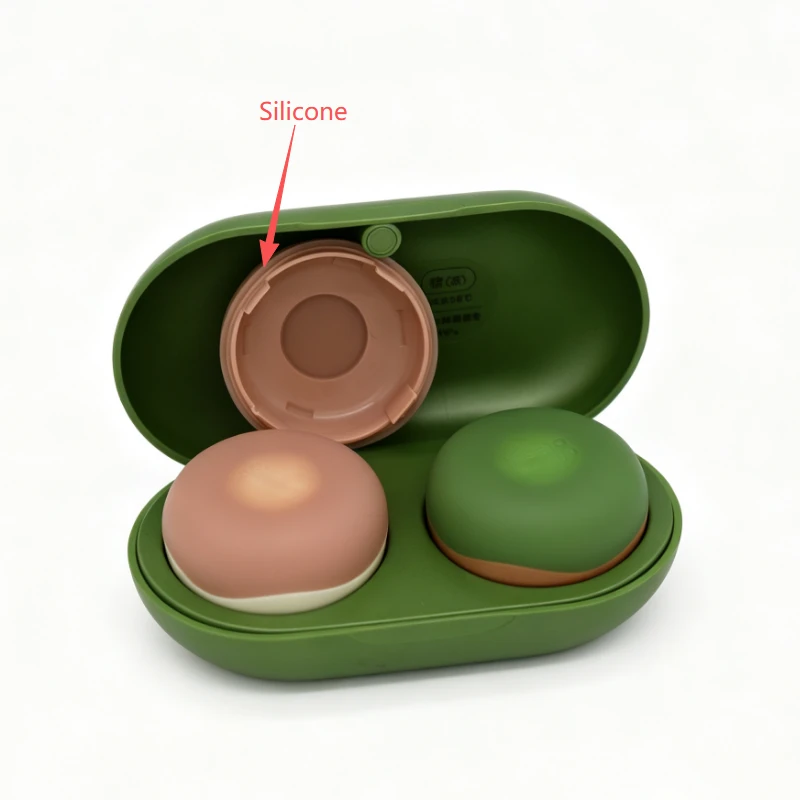
Silicone overmolded parts, in simple terms, are components produced through a two-shot molding process that bonds a soft silicone material — available in both solid (high-consistency silicone) and liquid (LSR) forms — to a pre-formed rigid substrate, such as a plastic or metal part. The core objective of this process is to enable a single part to combine the respective advantages of both “soft” and “hard” materials into one integrated component.
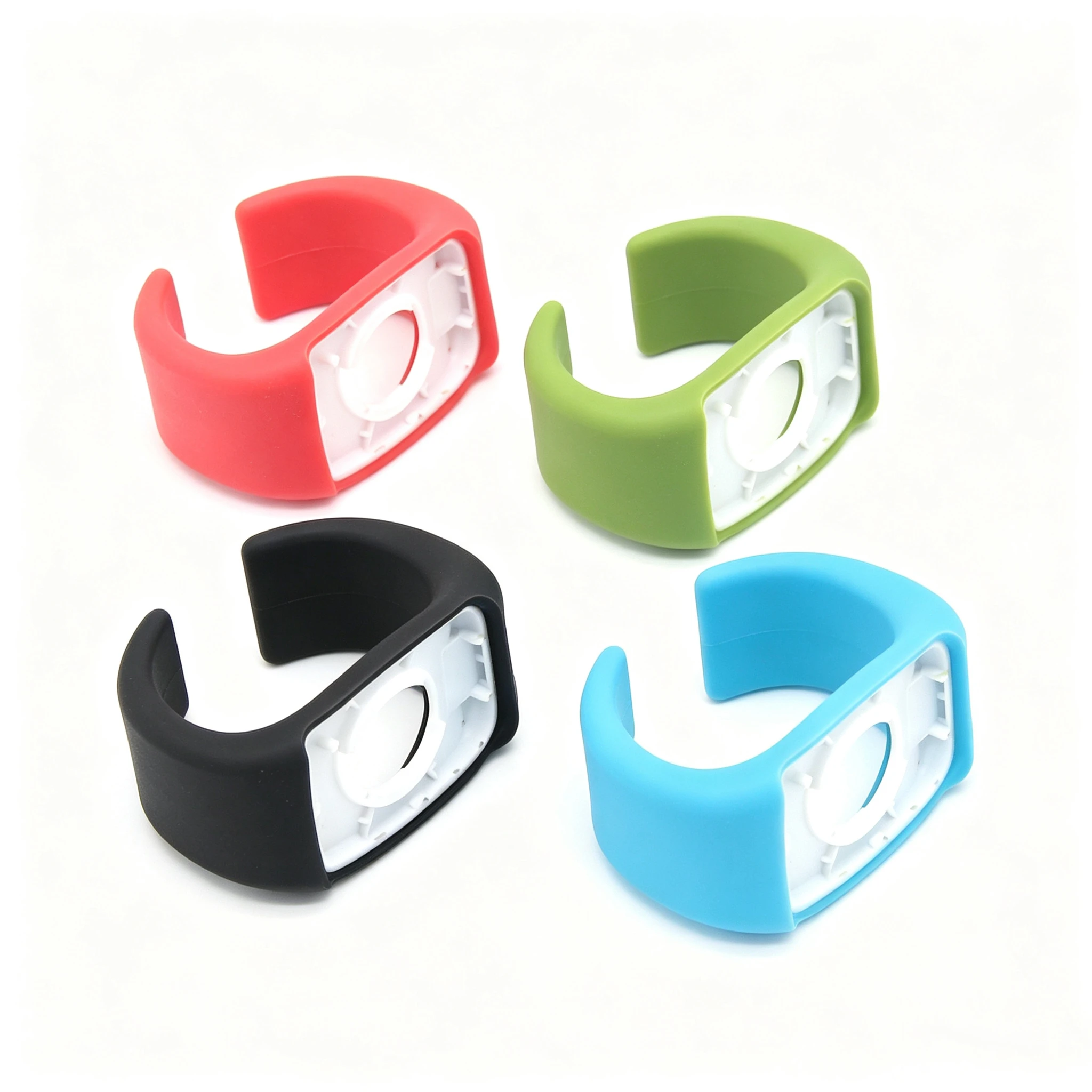
Through proper structural design, silicone overmolded parts can reliably achieve IP67 or even IP68 ingress protection ratings. The silicone material maintains its resilience over the long term, delivering stable contact pressure that ensures no water or air leakage under both internal and external pressure differentials. Additionally, silicone itself offers excellent resistance to water, mild acids, alkalis, and salt spray, effectively protecting internal electronic circuits and sensitive structures from corrosion.
In contrast to rigid plastics or metals, low-hardness silicone offers a warm and comfortable tactile experience, adapting to finger pressure with its low elastic modulus. Its high coefficient of friction ensures a secure, non-slip grip against the palm. The soft overmolded layer effectively absorbs reactive forces from the hand, mitigating fatigue in scenarios requiring extended gripping or repetitive actuation. Additionally, silicone overmolded buttons deliver a “soft-touch” feel with distinct tactile response, eliminating the abruptness associated with rigid material contact and enhancing overall user experience.
Silicone offers excellent damping that absorbs mechanical vibrations, preventing resonance-induced performance drift or damage to sensitive components. In products like phone cases and smartwatch housings, overmolded silicone corners absorb drop impact, reducing shell cracking and internal damage. On moving-contact areas, it also eliminates harsh noise from hard material collisions, delivering a quieter, more premium feel.
Overmolding technology enables integrated functional design by consolidating rigid structural components and silicone sealing/cushioning elements into a single unified part. Compared to conventional “multi-part + assembly” approaches, this process significantly reduces the variety and quantity of BOM items, eliminates subsequent assembly steps, and minimizes cumulative tolerances, improving product consistency while offering clear advantages in production efficiency and overall cost control.
Through the application of a primer onto the substrate surface or the use of self-adhesive liquid silicone rubber, covalent bonds are established between the silicone elastomer and the substrate during the curing reaction. This results in a high-strength interfacial bond, the failure of which occurs as cohesive fracture within the silicone bulk material rather than delamination at the interface. Such a bonding mechanism offers superior tensile pull-off resistance and exhibits robust tolerance to extreme thermal cycling and dynamic mechanical vibrations, thereby guaranteeing the long-term durability and reliability of the bonded joint.
High-quality silicone, particularly platinum-cured systems, delivers reliable long-term performance from -40°C to 200°C, with specialty compounds enduring above 250°C — far outperforming ordinary plastics and conventional elastomers.
For outdoor applications, silicone offers exceptional weatherability, resisting discoloration, chalking, and cracking under prolonged UV exposure.
It also resists a broad range of oils, solvents, and detergents, and its biocompatibility (meeting recognized standards) ensures safe use in medical devices and food-contact products.
Competitive Price
As an original manufacturer, OTI offers competitive pricing to support your project budget.
Vasta experiência
With over 25 years of R&D and manufacturing experience in silicone products, OTI provides custom silicone overmolded parts for various applications, including electronics, medical devices, industrial equipment, and kitchenware.
Regulatory Compliance
OTI scales to your production needs with confidence through ISO 9001, ISO 14001, ISO 13485, and FDA-certified facilities, featuring a Class 8 cleanroom for qualified production.
Engineering Support
Our engineering team provides comprehensive support throughout the full product lifecycle.
Fabrico e Inspeção Avançados
Our automated liquid silicone rubber (LSR) injection and compression molding machines deliver stable and repeatable production. An automated optical inspection (AOI) vision system ensures
Reliable Supply Chain
OTI has established a robust supply chain management system to ensure raw material traceability, stable production capacity, and reliable on-time delivery to meet market demands.
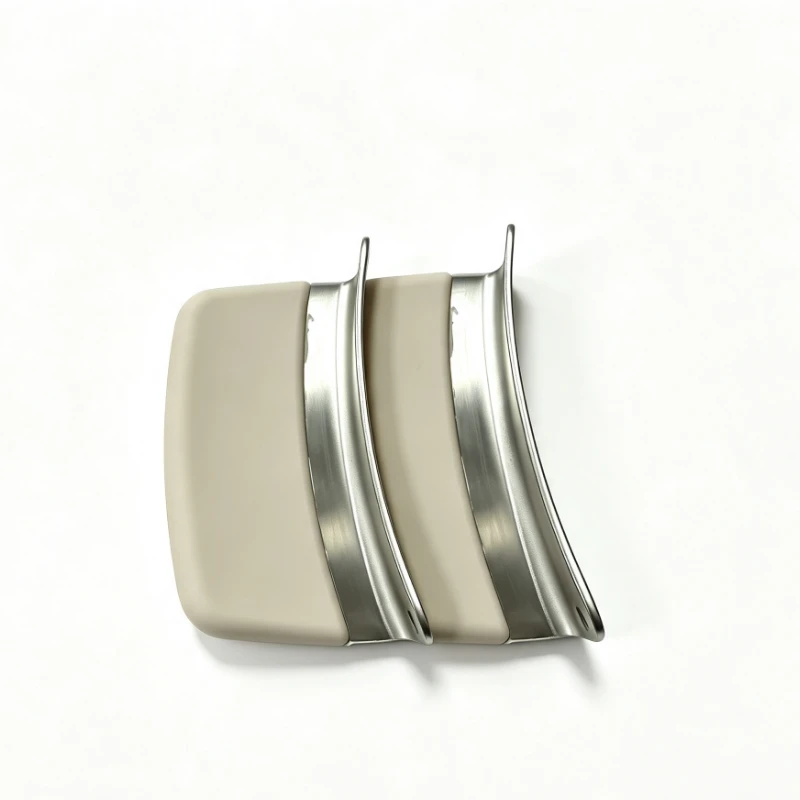
Traditional spatula handles are typically made of plastic or metal. Plastic handles can soften under high heat and grow brittle over time, while metal handles conduct heat and risk burning your hand.
New-generation spatulas utilize silicone overmolding — soft, food-grade silicone bonded to a rigid inner core. The silicone layer provides a non-slip, heat-insulating grip, resists wear and corrosion, and ensures long-lasting durability, while the rigid inner core provides stable structural support. This combination extends cookware lifespan and makes cooking safer and more comfortable.
Overmolding silicone onto plastic enhances breathing mask performance. The silicone layer provides an airtight seal at facial contact points and tube-frame joints. Its soft texture replaces rigid plastic for a skin-friendly, comfortable fit, reducing the harsh clinical feel of medical devices.
This one-piece design eliminates adhesives and snap-fits, leaving no gaps for easier cleaning and reduced contamination risk. Medical-grade silicone guarantees biocompatibility and clinical safety.
The outer silicone layer absorbs impact, cushioning the substrate against scratches and structural damage. Weather-resistant, waterproof, and chemical-resistant materials ensure reliable performance in harsh environments.
Chemically or mechanically bonded to the substrate, the silicone forms a seamless, durable cover that outperforms slip-on alternatives. Its soft-touch surface improves grip, while its flexible texture dampens vibration and reduces noise — making it ideal for handheld tools and electronics.
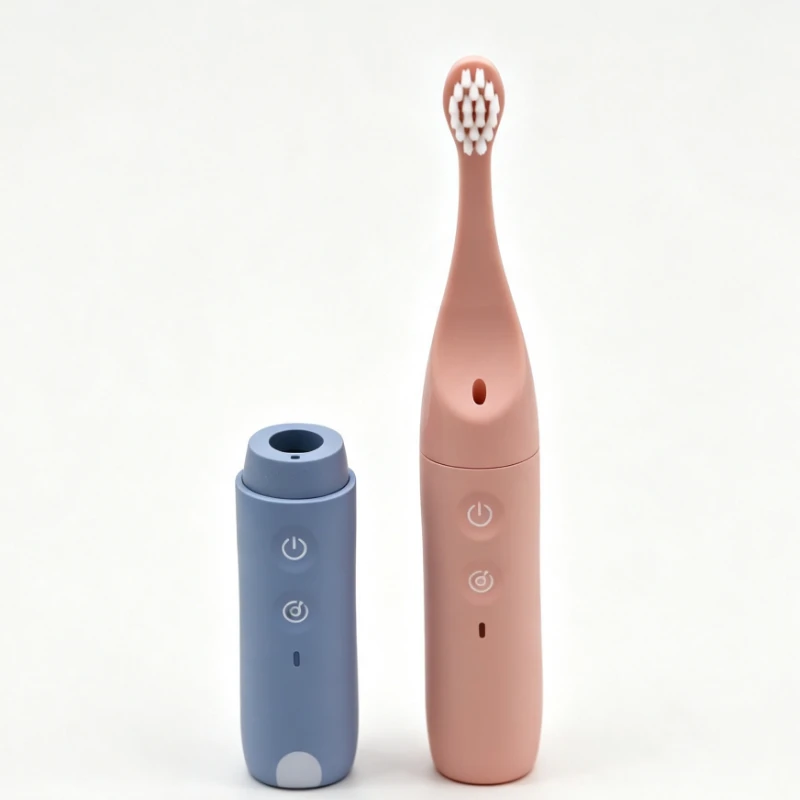
Silicone integrates seamlessly with the internal frame and electronics, creating a waterproof seal that prevents liquid ingress, protects the motor, and extends product life. It also absorbs and dampens handle vibration, making brushing smoother and quieter.
The overmolded silicone is food-grade, non-toxic, and complies with strict FDA, LFGB, and ISO 10993 standards. Even if toddlers bite the brush, complete safety is assured.
A wide range of materials can serve as substrates in the overmolding process, including plastics such as PC, PA, and PBT, as well as metals, magnets, glass, fabrics, and FPCs. During processing, the substrate is placed into the mold cavity and must be capable of withstanding a minimum mold temperature of 120°C.
For conventional silicone, a primer coating must be applied to the substrate surface prior to overmolding. In contrast, self-bonding silicone enables direct overmolding onto substrates without requiring a primer.
Both compression molding and injection molding are suitable for overmolded parts. You can provide us with your engineering drawings, MOQ, and specific requirements, and our team will evaluate them to offer the optimal manufacturing solution.
We can provide free samples within 3 days for existing, available parts. For customized products, mold development is required prior to sample production. Typically, lead time is about 15 days for compression molds and 30 days for injection molds.
A nossa equipa de assistência está disponível online 24 horas por dia, 7 dias por semana.
Pessoa de contacto: Wendy Huang
E-mail: Wendy@xmoti.com
Tel.: +86-592-5218891
WhatsApp: +86-18950122603
Multidão: +86-18950122603
.webp)