Technical Specifications
Item | Anti-Drop Silicone Portable Bluetooth Speaker Cover |
Material | Silicone |
Mold Type | Compression Molding |
Processing | flash trimming, post-curing,surface treatment |
Hardness | 30-60 Shore A |
Size | Standard size or customized based on requirements |
Color Options | Pantone card reference available |
Daily Capacity | 2000-2500pcs |
MOQ | 500pcs |
Sampling | Samples available within 5–7 working days |
Features | 3D geometric diamond-cut design, drop & shockproof, precise cutouts, anti-slip matte texture, skin-friendly, durable, washable |
Application | Widely used as a protective cover for portable Bluetooth speakers, smart home devices, and outdoor rugged speakers |
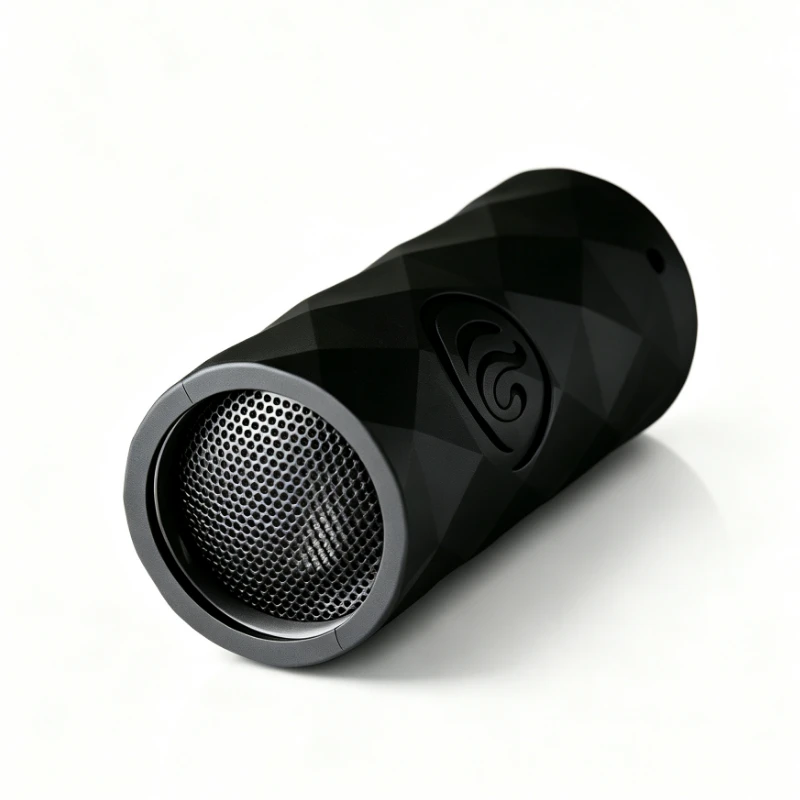
Key Features of Silicone Bluetooth Speaker Cover
Superior Grip & Modern Aesthetics
Our precision-molded 3D geometric pattern significantly increases surface friction, ensuring your speaker stays securely in the user’s hand without slipping.
Dust-Free & Comfortable Matte Finish
We apply a specialized anti-static matte treatment to our molds. This prevents dust, lint, and fingerprints from accumulating, while offering a soft, skin-friendly feel.
Premium Material
We use premium platinum-cured silicone. It is odor-free, highly flexible, and built for long-term durability.
Full OEM/ODM Customization Support
We support embossed or debossed customer logos on the mold, ensuring brand display without any extra printing process.
FAQ
What is the main difference between compression‑molded and injection‑molded silicone speaker cover?
Compression molding fits complex diamond textured geometry with lower tooling cost; injection molding suits large volume order with stable cycle time.
Will repeated installation & removal cause permanent deformation of the sleeve opening?
No.Reasonable wall‑thickness at opening area plus low compression‑set silicone compound, hundreds‑time mount‑demount will not result in permanent opening expansion.
What are the technical limits for embossed logo on diamond‑faceted surface?
Logo depth recommended 0.25‑0.40 mm. Excess depth will create thin‑wall stress point, easily torn during assembly.
The silicone catches dust easily. What is your process to avoid this?
We apply secondary high-temperature post-curing (4 hours at 200°C) and an anti-static surface treatment on the mold. This removes surface tackiness, making the skin non-sticky and highly dust-resistant.